GO Health Reminds Residents to Protect Themselves from Tick Bites
Published on May 20, 2026
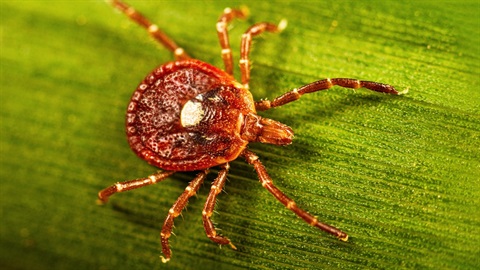
As the temperature rises and we start getting higher humidity and rain, ticks become more active. “Ticks can carry many different diseases, but learning how to prevent tick bites will help protect you, your family, and your pets," stated Darren Brodie, Environmental Health Director for the Genesee and Orleans County Health Departments (GO Health).
There are many types of ticks. In our region, the most common is the blacklegged tick, also known as the deer tick, which can carry Lyme disease. These ticks live in shady, moist areas at ground level. They cannot jump or fly. Ticks may attach to a person or animal and move to protected areas of the body, such as behind the ears, under the arms, or in the hair.
When enjoying the outdoors, it is important to protect yourself:
- Wear light-colored clothing with a tight weave to spot ticks easily.
- Wear enclosed shoes, long pants, and a long-sleeved shirt. Tuck pant legs into socks or boots and shirt into pants.
- Check clothing and exposed skin often for ticks while outdoors.
- Use clear, well-traveled trails and stay out of tall grass. Walk in the center of any trails. Stay out of dense woods and brushy areas.
- Do not sit directly on the ground or on stone walls.
- Keep long hair tied back when working in the garden or hiking.
- Take a bath or shower within 2 hours after going outdoors to wash off and easily find ticks that may be on you.
- Do a final, full-body tick check at the end of the day. Be sure to check children and pets as well and remove any ticks properly.
- If you have pets, it is important to check them often for ticks, as they can also get tick-borne diseases or bring ticks into your home. To learn more about preventing ticks on pets, visit the CDC website.
- If you choose to use insect repellents, carefully follow label directions. Some repellents are for clothing only. Remove the clothing once inside and take a shower to get any repellent off your skin.
If you find an attached tick, remove it promptly using fine-tipped tweezers by grasping the tick as close to the skin as possible and pulling upward with steady, even pressure. After removal, clean the bite area and your hands with soap and water or rubbing alcohol.
To learn how to safely remove a tick, watch this video: Tick Removal Video.
Watch for symptoms such as fever, headache, fatigue, muscle or joint aches, or a rash that may look like a bullseye. If you develop any of these symptoms, contact your healthcare provider.
Enjoy the outdoors and stay alert for ticks to help ensure a safe and healthy spring, summer, and fall. For more information about tick prevention and tick-borne diseases, visit the New York State Department of Health website.
For more information on GO Health’s programs and services, visit GOHealthNY.org. You can also contact your respective health department:
Follow GO Health on Facebook, Instagram, and X at GOHealthNY.